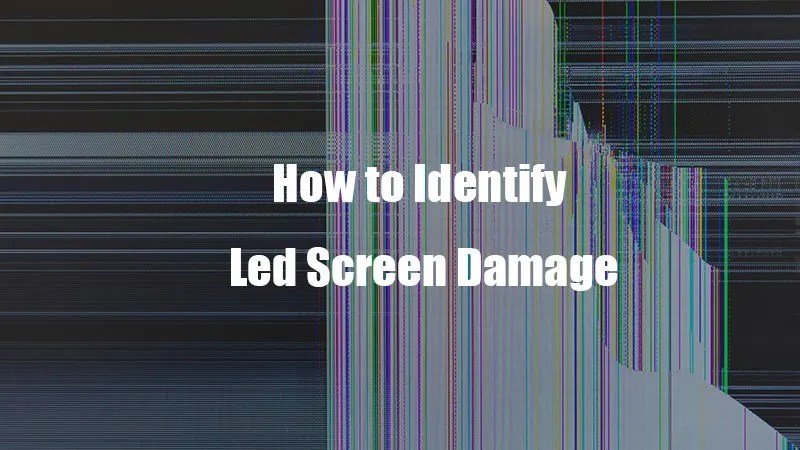
We've all been there: that heart-stopping moment when your beloved device slips from your grasp, or a rogue object makes an unwelcome acquaintance with your screen. The sinking feeling that follows the discovery of a fresh crack, an unsightly scratch, or a bizarre pixel issue is universally understood. But beyond the immediate despair, understanding the nuances of Addressing Physical Screen Damage & Component Issues is crucial for diagnosing the problem, preventing future mishaps, and knowing when to seek professional help.
This isn't just about cracked smartphone glass; it's about the entire ecosystem of screens in our lives—from our laptops and tablets to our large-format TVs and monitors. Each type of display, be it LCD, OLED, or LED, has its own vulnerabilities and tell-tale signs of distress. As a seasoned tech journalist, I'm here to walk you through the real-world scenarios, demystify the tech jargon, and empower you with practical, actionable advice that goes beyond a quick Google search.
At a Glance: Your Quick Guide to Screen Survival
- Identify the Enemy: Learn to distinguish between common types of screen damage like cracks, scratches, pixel issues, and delamination.
- Become a Detective: Practical methods to detect damage, from visual inspections to using test patterns.
- Know the Culprits: Understand what causes screen damage, from impacts and abrasives to heat, moisture, and electrical problems.
- Master Prevention: Implement simple yet effective strategies like screen protectors, proper cleaning, and safe handling to extend your screen's life.
- Action When Damaged: Get clear guidance on what can (and can't) be fixed, and when it’s time to call in the pros or consider replacement.
- Bust Myths: Address common questions about repairs and screen longevity with straightforward answers.
The Anatomy of a Broken Screen: Decoding Common Damage Types
Screens are complex sandwiches of glass, films, and electronic components. When something goes wrong, it manifests in various ways. Knowing the specific type of damage you're facing is the first step toward a solution.
Cracks: The Most Common Catastrophe
Cracks are perhaps the most visually distressing form of screen damage. They typically result from impact or sudden pressure.
- Hairline Cracks: These are often thin, barely visible lines that might only show up under specific lighting or angles. They usually don't affect touch functionality immediately but can spread over time.
- Spiderweb Cracks: A clear sign of significant impact, these cracks radiate outwards from a central point, resembling a spider's web. They severely compromise structural integrity and often lead to unresponsive touchscreens or dead spots.
- Deep Cracks: These penetrate multiple layers of the screen assembly, sometimes even reaching the display panel itself. They can cause dark spots, colorful lines, or complete display failure.
Scratches: Surface-Level Annoyances
Unlike cracks, scratches are abrasions on the screen's surface. They're usually caused by contact with sharper or harder materials.
- Micro-Scratches: Almost invisible to the naked eye, these fine scratches are usually from daily use or improper cleaning. They might only be noticeable when the screen is off and light reflects just right.
- Superficial Scratches: These are more noticeable and can distort reflections or slightly obscure the display. They're typically confined to the topmost protective layer.
- Deep Scratches: Penetrating the screen's protective coating and sometimes the glass itself, deep scratches can be felt with a fingernail and are a constant distraction. They can also compromise the screen's integrity, making it more prone to cracking.
Dents and Punctures: Direct Hits
These forms of damage result from direct, concentrated force onto a specific area of the screen.
- Shallow Dents: A slight deformation of the screen surface, often seen on softer plastic or protective layers rather than the main glass.
- Deep Dents: More significant indentations that can impact underlying layers, potentially causing localized display issues like discoloration or pressure spots.
- Punctures: When an object pierces through the screen's protective layers, it can cause severe localized damage, including dead pixels or permanent dark spots.
Delamination: When Layers Separate
Delamination occurs when the different layers of a screen—such as the glass, the digitizer, or the LCD/OLED panel—begin to separate. This can appear as bubbles, cloudy spots, or areas with reduced clarity or unresponsive touch. It's often caused by heat, moisture, or manufacturing defects.
Pixel Problems: Tiny Troublemakers
Pixels are the tiny light-emitting elements that make up your screen's image. When they malfunction, the results are noticeable.
- Dead Pixels: These appear as tiny black dots on your screen, as the pixel has completely failed to light up. They're usually permanent.
- Stuck Pixels: Unlike dead pixels, stuck pixels remain illuminated in a single color (red, green, or blue). They're often caused by a malfunctioning transistor and can sometimes be "unstuck" with specific software or methods.
Discoloration and Burn-in: The Fading & Ghosting Effects
These issues often develop over time and affect the overall image quality.
- Discoloration: Patches of yellow, blue, or other colors appearing on the screen, often due to UV radiation, excessive heat, or chemical exposure.
- Burn-in (Image Retention): Particularly prevalent in older OLED screens (though improved in newer generations), burn-in is a permanent ghost image of static content that was displayed for too long. Think of channel logos or UI elements leaving a faint imprint.
Playing Detective: How to Spot Screen Issues Early
Catching damage early can sometimes prevent it from worsening or help you plan for repair. Here's how to inspect your screens like a pro.
The Visual Sweep: Your First Line of Defense
This is the simplest yet most crucial step.
- Clean the Screen: Ensure the screen is free of dust, smudges, and fingerprints.
- Vary Lighting: Examine the screen under different lighting conditions—bright overhead lights, indirect sunlight, and even a completely dark room (with the screen off and then on, displaying a dark image).
- Different Angles: Tilt the device or move around your TV to catch reflections and subtle imperfections. Hairline cracks and micro-scratches are often only visible at specific angles.
- Zoom In: If you suspect damage, move closer and inspect the area intently.
The Tactile Examination: Feeling for Faults
For scratches and dents, a careful tactile inspection can confirm visual suspicions. Gently run your fingertip across the suspected area. If you feel a slight ridge or indentation, it's likely a scratch or dent. Be cautious not to press too hard or use fingernails, which could cause further damage.
Magnification: Seeing the Unseen
A jeweler's loupe, a magnifying glass, or even a smartphone with a good macro lens can reveal micro-scratches or very fine cracks that are invisible to the naked eye. This is particularly useful for assessing the extent of minor damage.
Screen Test Patterns: Unmasking Pixel & Color Problems
Test patterns are indispensable for identifying pixel issues, discoloration, or burn-in.
- Full-Color Screens: Display solid blocks of primary colors (red, green, blue) and secondary colors (cyan, magenta, yellow), along with pure white and pure black.
- Dead Pixels: Will show up as tiny black dots on any color background except black.
- Stuck Pixels: Will show up as tiny dots of their stuck color on any contrasting background.
- Discoloration: Will appear as uneven color patches on solid backgrounds.
- Gradient Tests: Smooth color transitions can reveal banding or inconsistent color reproduction, often indicative of deeper panel issues.
- Burn-in Tests: For OLED screens, specific burn-in tests involve displaying patterns designed to highlight ghost images.
Many apps and websites offer free screen test patterns. Simply search for "dead pixel test" or "screen burn-in test" on your device.
Polarization Filters: Revealing Internal Stress
If you suspect internal glass stress or subtle cracks, especially after an impact without visible external damage, a polarizing filter (like those in sunglasses or camera lenses) can help. When held over the screen and rotated, it can reveal stress patterns in the glass that indicate internal fractures.
Specialized Tools: For the Professionals
For extremely precise diagnosis, technicians use tools like optical microscopes or profilometers. These can measure the depth and exact dimensions of damage, crucial for determining repair feasibility.
The Culprits: What's Really Damaging Your Displays?
Understanding the "why" behind screen damage is crucial for effective prevention. It's often a combination of factors, not just one isolated incident.
Physical Impact: The Obvious Offenders
Drops, bumps, and accidental falls are the leading cause of cracked and shattered screens. The kinetic energy from an impact can easily exceed the glass's structural limits, leading to instantaneous failure. Direct pressure, like sitting on a phone or placing heavy objects on a tablet, can also cause damage.
Abrasive Materials: The Scratch Artists
Your keys, loose change, sand, dust, and even tiny particles embedded in a cleaning cloth can abrade the screen surface. Modern screen glasses like Gorilla Glass are tough, but they aren't impervious to all materials. Sand, for instance, contains quartz, which is harder than most screen glass.
Thermal Stress: The Temperature Tango
Extreme temperatures—both hot and cold—can stress screen materials. Rapid changes can cause expansion and contraction at different rates within the multi-layered display, leading to internal cracks or delamination. Leaving a device in direct sunlight or a freezing car are common scenarios.
Moisture: The Silent Killer
Water and electronics are a notoriously bad combination. Excessive humidity or direct liquid spills can seep into the screen assembly, causing short circuits, delamination of adhesive layers, corrosion of internal components, and pixel malfunctions. Even if a device survives a splash, long-term issues can emerge.
UV Radiation: The Sun's Subtle Attack
Prolonged exposure to direct sunlight and its ultraviolet (UV) radiation can degrade the chemical compounds in display layers. This often results in discoloration, yellowing, or fading of colors over time, particularly in older or lower-quality screens.
Chemical Exposure: When Cleaners Attack
Using harsh cleaning chemicals (like window cleaner, ammonia-based sprays, or alcohol not specifically formulated for screens) can strip away anti-reflective coatings, damage touch layers, or react with plastic components, leading to smudges, hazing, or permanent discoloration.
Manufacturing Defects: The "It's Not Your Fault" Cases
Sometimes, despite your best care, a screen develops issues. Dead or stuck pixels, premature delamination, or unexpected cracks without an apparent impact can sometimes be traced back to a flaw in the manufacturing process or materials. These are often covered under warranty.
Age and Wear: Time Takes its Toll
Like all electronics, screens degrade over time. Backlights dim, colors shift, and the materials themselves become more brittle. Burn-in on older OLED panels is a prime example of this age-related degradation. The lifespan of any display is finite.
Electrical Issues: The Invisible Threat
Power surges, unstable power supplies, incorrect voltage levels, or even electrostatic discharge (ESD) can fry sensitive internal display components and pixel transistors. These issues often manifest as sudden screen flickering, dead pixels, or complete display failure without any physical impact. Ensure your devices are properly grounded and protected.
Prevention is Your Best Defense: Safeguarding Your Screens
An ounce of prevention is worth a pound of cure, especially when screen repairs can be costly. Incorporating these habits can significantly extend the life of your displays.
Shields Up: Screen Protectors & Cases
- Screen Protectors: A good quality screen protector (tempered glass or high-quality plastic film) is your first line of defense against scratches and can absorb some impact, preventing hairline cracks from forming. They are an inexpensive safeguard for phones and tablets.
- Protective Cases: For mobile devices, a sturdy case with raised edges around the screen offers crucial drop protection. It cushions impacts and prevents the screen from directly hitting surfaces when dropped face-down.
- Acrylic TV Protectors: For large, expensive TV screens, especially in homes with children or pets, clear acrylic screen protectors can deflect impacts from thrown toys or playful paws.
Handle with Care: Best Practices
- Avoid Drops: The most obvious, yet most challenging. Always use two hands for larger devices, and be mindful of where you place your phone.
- Gentle Placement: Don't toss devices onto hard surfaces. Place them down carefully.
- No Pressure: Avoid putting heavy objects on top of screens, and don't exert excessive pressure on the display surface (e.g., leaning on a laptop screen).
Smart Storage & Environment Control
- Dedicated Compartments: When carrying devices in bags, use a separate, padded compartment to prevent contact with keys, pens, or other hard objects.
- Temperature Matters: Keep devices away from direct sunlight, car dashboards, or extreme cold. Avoid rapid temperature changes.
- Humidity Control: In very humid environments, consider using moisture-absorbing packets or ensure good ventilation, especially for large TVs.
The Right Way to Clean Your Screen
Using the wrong cleaning methods is a common cause of damage.
- Power Off: Always turn off and unplug the device first.
- Soft, Lint-Free Cloth: Use a microfiber cloth specifically designed for electronics.
- Distilled Water or Approved Cleaner: Lightly dampen the cloth with distilled water or a cleaning solution explicitly labeled safe for screens. Never spray liquid directly onto the screen.
- Gentle Wiping: Wipe gently in one direction, then buff lightly. Avoid circular motions or harsh scrubbing.
- Avoid Harsh Chemicals: Steer clear of ammonia, alcohol (unless specified by manufacturer), window cleaners, and paper towels (they're abrasive).
Software & Settings: Protecting Your Pixels
- Reduce Brightness: Lowering screen brightness can reduce strain on pixels and prolong their life, especially for OLED screens, which are more susceptible to burn-in at higher brightness settings.
- Screen Savers/Sleep Mode: Configure your devices to automatically turn off the screen or activate a screen saver after a period of inactivity. This prevents static images from lingering too long, particularly useful for OLED displays to mitigate burn-in risk.
- Software Updates: Keep your device's operating system and drivers updated. Manufacturers often release updates that improve display performance, manage power more efficiently, and address potential software-related display glitches. Sometimes, a software issue can mimic hardware damage, so learning how to fix a glitchy Chromebook screen through software updates can save you a repair bill.
Securing Your Larger Displays (TVs)
- Sturdy Mounts: If wall-mounting a TV, ensure the mount is robust, properly installed into studs or appropriate anchors, and rated for your TV's weight.
- Stable Stands: If using a TV stand, choose one that is wide and stable enough to prevent tipping.
- Strategic Placement: Position TVs away from high-traffic areas where they might be bumped or where children/pets could easily reach them.
Guarding Against Electrical Gremlins
- Surge Protectors: Invest in high-quality surge protectors for all valuable electronics, including TVs and monitors. Look for a reputable brand and sufficient Joule ratings.
- Proper Grounding: Ensure your home's electrical outlets are properly grounded to prevent electrical spikes from damaging components.
- Unplug During Storms: For extra caution, unplug electronics during severe electrical storms.
When Damage Strikes: Your Action Plan
Even with the best prevention, accidents happen. Here's a realistic look at addressing different types of screen damage.
Minor Scratches: DIY or Professional?
- DIY Potential: For very superficial scratches on the outermost protective layer, some users have had limited success with specialized screen polishing compounds designed for electronics. These work by very gently abrading the surrounding surface to level out the scratch.
- Caution: This is risky. Using the wrong product or technique can remove anti-glare coatings, create hazy spots, or even worsen the scratch. Proceed with extreme caution and only after thorough research for your specific device model.
- Professional: For anything beyond the most minute blemish, professional repair is safer, though often not cost-effective for minor aesthetic damage.
Cracked Screens: The Harsh Reality
- Professional Repair is Key: Cracked screens almost always require professional repair. This usually involves replacing the entire front assembly (glass, digitizer, and sometimes the display panel itself).
- DIY Risks: Attempting to replace a cracked screen yourself, especially on modern devices, is incredibly challenging. It risks further damage to internal components, loss of waterproofing, and can void warranties.
- Cost vs. Replacement: For older or less expensive devices, the cost of professional screen replacement can approach or exceed the value of a new device. It’s a common scenario where a cracked LCD makes the repair uneconomical.
Delamination & Pixel Problems: What's Fixable?
- Delamination: This usually requires professional intervention, as it involves separating and re-bonding layers, often in a specialized clean room environment. It's typically a full screen assembly replacement.
- Dead Pixels: Unfortunately, dead pixels are almost always permanent and cannot be fixed. They signify a completely failed transistor.
- Stuck Pixels: There's a slight chance of "unstucking" these. You can try:
- Software Fixes: Apps or websites that rapidly cycle colors can sometimes "wake up" the stuck pixel.
- Gentle Pressure (Risky!): Very carefully apply gentle, localized pressure (with a soft cloth and a blunt object like a stylus tip) to the stuck pixel. This can sometimes reset the crystal, but apply minimal pressure to avoid further damage.
- Replacement: If stuck pixel methods fail or if you have multiple dead pixels, a full screen replacement is often the only way to restore perfect image quality.
Discoloration & Burn-in: Living with It or Replacing?
- Discoloration: Often irreversible, especially if caused by UV damage or chemical exposure. In some cases, if caused by a software glitch, a factory reset might help, but this is rare for physical discoloration.
- Burn-in: For older OLED screens, burn-in is permanent pixel degradation. Newer OLED technologies have significantly reduced this risk, but it's still a factor in extreme usage scenarios.
- Solutions: There are no true "fixes" for burn-in or permanent discoloration. Your options are to live with the imperfection or replace the entire screen. For TVs, a full panel replacement is usually prohibitively expensive, making a new TV a more sensible option.
Quick Answers to Your Pressing Screen Questions
Can a cracked LCD screen be repaired economically?
For devices like TVs, laptop monitors, or even some tablets, repairing a cracked LCD screen is rarely economical. The cost of a replacement LCD panel, coupled with labor, often approaches or even exceeds the price of a brand-new device. For smartphones, professional repair is more common and often a better value than replacing the whole phone.
What's the safest way to clean an LCD TV screen?
The safest method is to use a soft, lint-free microfiber cloth, lightly dampened with distilled water or a specialized LCD/LED screen cleaner. Always spray the liquid onto the cloth first, never directly onto the screen. Wipe gently from top to bottom, avoiding harsh chemicals, paper towels, or abrasive materials.
How can I best protect my TV screen from damage?
For robust protection, consider a clear acrylic screen protector that fits over the TV panel, especially if you have an active household. Beyond that, ensure your TV is securely mounted or placed on a very stable stand, away from high-traffic areas or direct sunlight. Using a surge protector is also vital for electrical damage prevention.
What to do if liquid spills on my TV screen?
Immediately turn off and unplug the TV from the power outlet. Gently blot the liquid with a soft, dry, absorbent cloth. Do not rub, as this can spread the liquid or push it into crevices. Allow the TV to dry completely for at least 24-48 hours (longer if a significant amount of liquid) before attempting to power it on. If liquid appears to have seeped inside, do not turn it on; contact a professional technician.
How do I prevent power surges from damaging my TV?
The most effective way is to use a high-quality surge protector (often built into power strips) that has a sufficient Joule rating and proper grounding. For comprehensive protection, consider a whole-house surge protector installed by an electrician. Always ensure your home's electrical wiring is up to code and properly grounded.
Beyond the Break: Maintaining Your Display's Longevity
Screens are the windows to our digital world, and their health directly impacts our experience. While accidents can and will happen, a proactive approach to care and a clear understanding of potential issues can save you significant time, money, and frustration.
By adopting careful handling habits, investing in appropriate protection, understanding the environmental factors that contribute to damage, and cleaning your screens correctly, you’re not just extending the life of your devices; you're preserving your investment and ensuring a consistently clear, vibrant viewing experience. Remember, a little prevention today can prevent a lot of pain (and cost!) tomorrow.