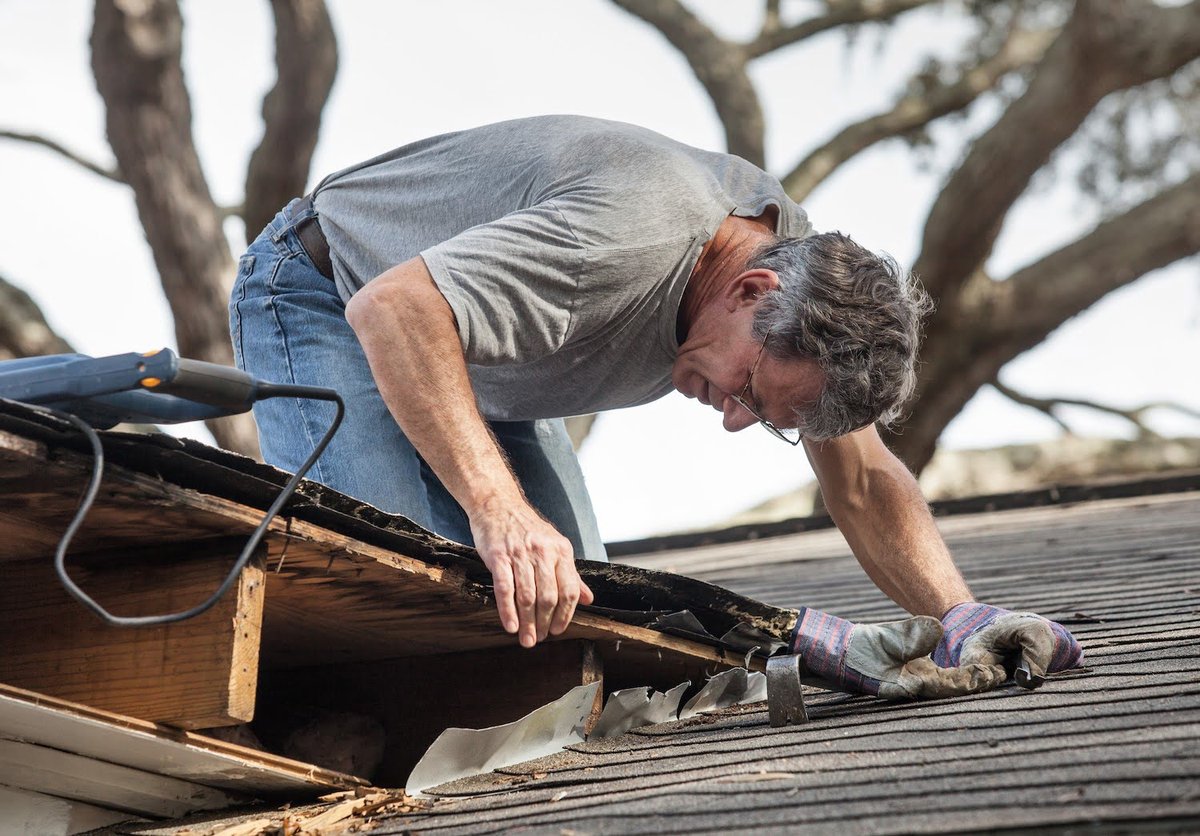
Every homeowner faces the same pivotal question: when does a home repair project become a job for the professionals, and when is it a chance to roll up your sleeves and get it done yourself? Deciding when to seek professional repair or DIY replacement is a balancing act of time, money, skill, and ultimately, stress. The right choice can save you thousands, prevent costly mistakes, and even boost your confidence as a homeowner. The wrong one could lead to bigger headaches, safety hazards, and a significantly lighter wallet.
This guide is your compass for navigating that decision. We’ll empower you to identify your DIY sweet spot, recognize the red flags that scream "call a pro," and understand the long-term benefits of making the right choice every time.
At a Glance: Your Quick Decision Guide
- DIY is often best for: Small, low-risk tasks requiring minimal specialized skills or tools, like painting, basic carpentry, or minor plumbing fixes.
- Call a professional for: Complex, high-risk projects involving electricity, major plumbing, structural integrity, or specialized systems like HVAC.
- Consider these factors: Your skill level, available tools, time commitment, safety risks, and the potential for costly errors.
- Professionals offer: Expertise, efficiency, safety, quality results, and often long-term cost savings by preventing future issues.
- Financing options exist: Don't let upfront costs deter you from necessary professional repairs; look into personal loans, home equity lines, or contractor financing.
The DIY Sweet Spot: Empowering Your Inner Handyperson
There’s immense satisfaction in successfully tackling a home project yourself. Beyond the pride of accomplishment, DIY projects offer significant cost savings, as you only pay for materials, and they contribute to a deeper understanding of your home's mechanics. Developing a few basic handyman skills can truly empower you, making you less reliant on external help for every little thing that goes wrong.
What Makes a Project DIY-Friendly?
Before you grab your toolbox, consider these criteria:
- Low Risk: The project doesn't involve electricity, gas, significant water pressure, or structural elements.
- Basic Tools: You likely already own or can easily rent/borrow the necessary tools (e.g., screwdriver, wrench, drill, paintbrushes).
- Clear Instructions: There are readily available tutorials (videos, reputable blogs) that walk you through each step clearly.
- Minimal Skill: The task doesn't require years of apprenticeship or highly specialized techniques for a decent outcome.
- Time Commitment: You have the time to dedicate to the project, including potential troubleshooting, without rushing.
If a project ticks most of these boxes, it's probably a great candidate for your next weekend warrior session.
Common DIY Triumphs: Projects You Can Confidently Tackle
Here are some excellent examples of home improvements and repairs that are generally safe and rewarding for the average homeowner:
- Painting and Wallpapering: A fresh coat of paint can transform a room. With proper preparation (cleaning, patching, taping), it’s a straightforward task. Modern peel-and-stick wallpapers have also made adding patterns and textures incredibly accessible.
- Basic Carpentry: Assembling flat-pack furniture, installing shelving units, hanging pictures, or even building simple storage solutions are all within reach. You’ll gain valuable experience with measuring, cutting, and securing materials.
- Minor Plumbing Fixes: Don’t fear the faucet! Fixing a leaky faucet, replacing a showerhead, or clearing a minor drain clog with a plunger or snake are usually simple, low-stakes repairs. Just remember to turn off the water supply first!
- Sealing and Caulking: Drafty windows and doors waste energy. Applying fresh caulk around openings, or sealing gaps in bathrooms and kitchens, is a simple way to improve energy efficiency and prevent water damage. It's an easy win for both comfort and your utility bills.
- Updating Hardware: Swapping out old cabinet knobs, door handles, or light fixtures can dramatically refresh a space. These projects typically only require a screwdriver and a keen eye for aesthetics.
- Landscaping Basics: Planting flowers, mulching garden beds, spreading topsoil, or even installing simple paver paths are great ways to enhance curb appeal without professional help.
- Appliance Maintenance: Cleaning refrigerator coils, replacing a vacuum belt, or changing furnace filters are routine maintenance tasks that extend the life of your appliances and keep them running efficiently. Speaking of troubleshooting, sometimes a simple reset can fix things, much like knowing how to fix Chromebook screen glitches can save you a trip to the repair shop.
Embracing these smaller projects builds your confidence, teaches you valuable skills, and gives you a greater sense of ownership over your living space.
Beyond Your Skill Set: When to Call in the Cavalry
While the allure of DIY is strong, there are definite boundaries you shouldn't cross without proper training and equipment. Attempting complex or inherently dangerous projects without the right expertise can lead to serious injury, costly damage, failed inspections, and even devalue your home. It’s not a failure to call a professional; it’s a smart, responsible decision.
The Risks of Over-DIYing
Pushing your limits on certain projects can expose you to:
- Safety Hazards: Electrocution, gas leaks, falls from heights, or structural collapses are real possibilities.
- Financial Fallout: A botched repair can cause more extensive damage, leading to even higher professional repair costs down the line. You might also void warranties or cause code violations.
- Poor Quality Results: An amateur finish on a visible project (like large drywall repairs or flooring) can look unsightly and reduce your home's appeal.
- Time Sinks: What a pro can do in a few hours might take a DIYer days or weeks, eating up valuable personal time.
Scenarios Demanding a Professional's Touch
These are the critical areas where the risks almost always outweigh the potential DIY savings:
1. Electrical Work
Why call a pro: Electricity is incredibly dangerous. Incorrect wiring can cause fires, electrocution, and damage appliances. Licensed electricians understand complex wiring diagrams, local building codes, and safety protocols that are critical for your home's integrity and your family's safety.
Examples: New wiring installation, upgrading electrical panels, troubleshooting circuit issues, installing new outlets or switches (beyond a simple like-for-like replacement), running power to an addition.
2. Major Plumbing Issues
Why call a pro: Major water leaks or blockages can cause extensive, expensive water damage, mold growth, and structural issues. Professionals have specialized tools (e.g., hydro-jetters, pipe cameras) and the knowledge to diagnose and fix problems without exacerbating them.
Examples: Burst pipes, persistent sewer line clogs, water heater repair or replacement, gas line work, significant drain system overhauls, installing new fixtures that require pipe modification.
3. Structural Repairs
Why call a pro: Your home's structure is its backbone. Any compromise to foundations, load-bearing walls, or roofing can have catastrophic consequences, including collapse. These jobs require engineering knowledge, specialized equipment, and adherence to strict building codes.
Examples: Foundation cracks, sagging floors, roof repair or replacement, removing or modifying load-bearing walls, major exterior siding repair, window replacement that alters the rough opening.
4. HVAC (Heating, Ventilation, and Air Conditioning) Systems
Why call a pro: HVAC systems are complex, involving refrigerants, electrical components, and combustion. Improper installation or repair can lead to inefficient operation, higher energy bills, carbon monoxide leaks (from gas furnaces), or even system failure.
Examples: Furnace repair, AC installation or major repair, ductwork installation or repair, heat pump maintenance, refrigerant recharging, thermostat installation if it involves complex wiring.
5. Large Drywall Repairs
Why call a pro: While small nail holes are easy DIY fixes, repairing large holes, extensive cracks, or entire sections of drywall requires finesse. Matching textures, achieving seamless seams, and mudding/sanding to a perfectly smooth finish is an art that takes practice. A poor job will be glaringly obvious, even after painting.
Examples: Repairing water-damaged drywall, replacing entire sections, significant crack repair in ceilings or walls.
6. Complex Flooring Installation and Repair
Why call a pro: Laying tile, hardwood, or even intricate laminate patterns requires precision, specialized tools, and knowledge of subfloor preparation, expansion gaps, and sealing. A poorly installed floor can warp, squeak, or develop gaps, reducing its lifespan and aesthetic appeal.
Examples: Installing new hardwood, tile, or complex laminate throughout a large area; repairing extensive subfloor damage; radiant heating installation under flooring.
7. High-Altitude Work
Why call a pro: Working on roofs, tall ladders, or other elevated areas poses a significant risk of falls, which can lead to severe injury or fatality. Professionals have the right safety gear, training, and insurance to perform these tasks safely.
Examples: Gutter cleaning and repair on multi-story homes, roof repairs, exterior painting of second-story windows, chimney repair.
When in doubt, err on the side of caution. A consultation with a professional is often free or low-cost and can give you a clear assessment of the job's complexity and risks.
The Hidden Value: Why Professionals Are Worth the Investment
Hiring a professional might seem like the more expensive option upfront, but it often proves to be the most cost-effective decision in the long run. The benefits extend far beyond just getting the job done.
Time Savings
Professionals are efficient. They have the experience, specialized tools, and established workflows to complete tasks much faster than a DIYer. What might take you days of research, trial-and-error, and multiple trips to the hardware store, a pro can often accomplish in a few hours. This frees up your valuable time for work, family, or leisure.
Safety Assurance
This is arguably the most crucial benefit. Professionals are trained in safety protocols for dangerous tasks like electrical work, plumbing with gas lines, or working at heights. They have the proper safety equipment and know how to mitigate risks, protecting both themselves and your property. Avoiding injury is priceless.
Quality & Durability
A professional's work comes with the promise of expertise. They have the skills to deliver a high-quality, durable finish that not only looks good but also functions correctly for years to come. This means you won’t have to revisit the same problem repeatedly, saving you frustration and future expenses.
Long-Term Cost Reduction
While the initial outlay for a pro is higher, consider the total cost of a botched DIY project. Mistakes can lead to more extensive damage, require additional materials, and ultimately necessitate professional intervention anyway—often at a higher cost than if you had hired them initially. Professionals also complete the work correctly the first time, preventing recurrent issues and extending the lifespan of your systems and components.
Warranties and Insurance
Reputable professionals typically offer warranties on their labor and the parts they install. This provides peace of mind, knowing that if something goes wrong shortly after the repair, you're covered. Additionally, licensed and insured contractors carry liability insurance, protecting you from financial responsibility should an accident or property damage occur during the project. This is a level of protection you simply don't have with DIY.
Making It Happen: Financing Your Professional Repairs
Don't let the immediate cost of professional repairs deter you from making necessary improvements or addressing critical issues. There are several financing options available to help homeowners manage these expenses without depleting their savings.
1. Personal Loans
Good for: Emergency repairs, unexpected issues where savings are low, or projects that aren't tied to your home's equity.
How it works: You borrow a fixed amount from a bank, credit union, or online lender, which you repay in fixed monthly installments over a set term. Interest rates can vary based on your credit score. They offer quick access to funds but may have higher interest rates than secured loans.
2. Home Equity Loans (HEL) or Home Equity Lines of Credit (HELOC)
Good for: Larger renovation projects or significant repairs when you have built up equity in your home.
How it works:
- Home Equity Loan: A lump sum loan secured by your home's equity, with a fixed interest rate and repayment schedule.
- HELOC: A revolving line of credit, similar to a credit card, where you can borrow up to a certain limit as needed, repaying what you use. Interest rates are typically variable.
Benefits: Often offer lower interest rates than personal loans because they're secured by your home. However, you are putting your home up as collateral.
3. Contractor Financing
Good for: Specific projects where the contractor partners with financing companies.
How it works: Many contractors, especially in HVAC, roofing, or major remodeling, offer financing plans through third-party lenders. These often come with promotional interest rates (e.g., 0% for 12 months) if paid in full within a certain period, or fixed-rate options.
Benefits: Convenient, often quick approval, and sometimes tailored specifically to the project's cost.
4. Your Emergency Fund
The best "financing" option is always a robust emergency fund. Aim to have at least 3-6 months' worth of living expenses saved, including a buffer for unexpected home repairs. Building this fund takes time, but it offers unparalleled peace of mind when a crisis strikes.
Before committing to any financing, shop around, compare interest rates and terms, and ensure you fully understand the repayment obligations.
Smart & Sustainable: Budget-Friendly Home Upgrades
Beyond repairs, many homeowners look for upgrades that add value and improve daily living without breaking the bank. Focusing on efficiency and small, impactful changes can make a big difference, often with a good return on investment (ROI).
Water-Saving Plumbing Fixtures
Reducing water consumption isn't just good for the planet; it’s good for your wallet.
- Low-Flow Toilets: Replacing old, inefficient toilets with dual-flush or low-flow models can save thousands of gallons of water annually.
- Water-Saving Showerheads: Modern showerheads deliver excellent pressure while using significantly less water.
- Aerators: Easily installable aerators on faucets mix air with water, reducing flow without sacrificing effectiveness.
- Smart Water Systems: Consider a smart water softener or a leak detection system to both save water and prevent costly damage.
These are often DIY-friendly projects that lead to noticeable savings on your water bill.
Energy-Efficient Home Improvements
Lowering your energy consumption improves comfort and significantly cuts utility costs. Many of these are simple DIY projects or smaller tasks for a pro:
- Seal Air Leaks: Use caulk and weatherstripping around windows, doors, and utility penetrations to prevent drafts. This is one of the cheapest and most effective DIY energy upgrades.
- Add Insulation: Improving insulation in your attic, walls, and crawl spaces can drastically reduce heating and cooling costs. While attic insulation can be a DIY job, wall insulation often requires a professional.
- Upgrade to LED Lighting: Swapping out incandescent or CFL bulbs for LEDs is a simple, immediate way to reduce electricity use and maintenance (LEDs last much longer).
- Smart Thermostats: Install a programmable or smart thermostat to optimize heating and cooling schedules, often controlled remotely from your phone. This can be a straightforward DIY task for many.
- Energy-Efficient Window Coverings: Install insulated blinds or drapes to help regulate indoor temperatures, reducing the strain on your HVAC system.
Many utilities offer rebates for these types of energy-saving upgrades, so be sure to check with your local providers.
Your Home, Your Choices: Balancing Independence with Expertise
Ultimately, your home is a significant investment and a personal sanctuary. Maintaining it effectively means striking a sensible balance between your own efforts and the specialized skills of professionals. There's no shame in admitting a project is beyond your current capabilities; in fact, it's a mark of a wise homeowner.
Empower yourself by learning basic maintenance and tackling small, manageable projects. Build your skill set gradually, but always prioritize safety, structural integrity, and long-term value. When facing a task that involves significant risk, specialized knowledge, or the potential for expensive errors, choose the peace of mind that comes with calling a qualified professional.
By making informed decisions about when to seek professional repair or DIY replacement, you ensure your home remains safe, beautiful, and a source of pride for years to come.